
Gratitude Practice
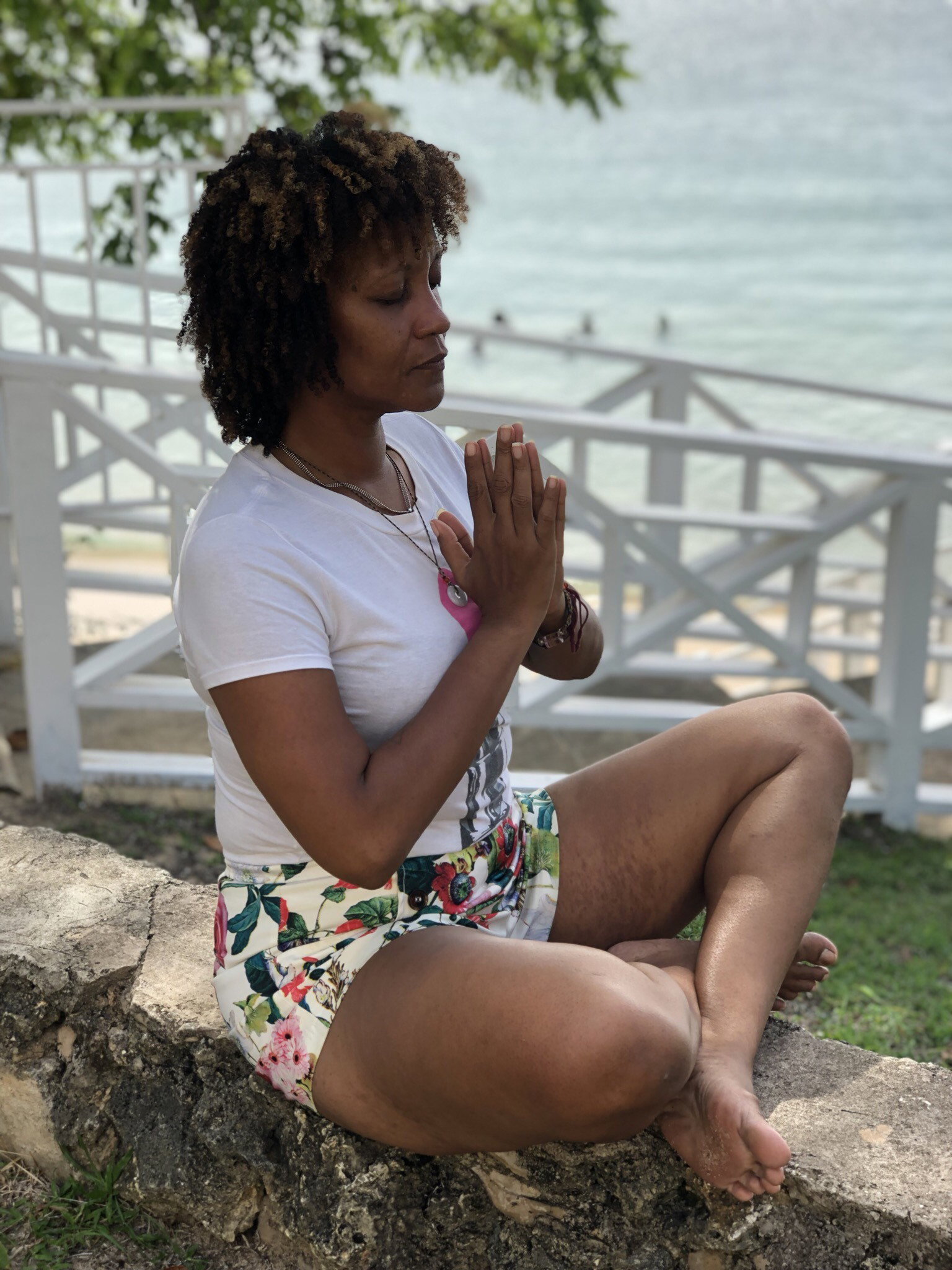
We don't only have to wait for a life changing event to express our gratitude. Gratefulness can be expressed for something as small as the first bite into a cupcake or, something as huge as waking up every day.
The practice of gratitude has been broken down into the following concept - “an emotion, an attitude, a moral virtue, a habit, a personality trait, or a coping response” (Emmons & McCullough, 2003). Which basically depicts that persons generally feel grateful for an event or happening only if they experience some type of joy or positivity from it.
Psychologists, Watkins, Woodward, Stone and Kolts (2003), believe that grateful persons possess four (4) specific characteristics:
- They would not feel deprived in life
- They would appreciate others’ contributions to their well-being
- They would tend to appreciate simple pleasures (in other words, pleasurable things that are freely available to the majority of people): if an individual appreciates simple pleasures, they are likely to experience grateful feelings more often due to frequently being appreciative of commonly occurring experiences.
- Finally, grateful individuals acknowledge the important role of experiencing and expressing gratitude.
This "definition" makes it seem that someone can only truly be grateful if they possess these specific characteristics which, if used in this precise context, can make a person questing whether they are truly a grateful person?
Looking at this list, do you think these characteristics describe you?
Being grateful in turn also makes you more appreciative of the things, circumstances and persons in and around your life.
Introducing a gratitude practice into your daily life can help you gain many benefits. Here are some pointers on how you can slowly introduce a gratitude practice into your life:
1. What are you grateful for?
Notice one or two new things to be grateful for daily.
2. Begin a gratitude journal.
This will help you to be specific about the things that you are grateful for. It will help you to push yourself past the rudimentary "I'm grateful for life", "I'm grateful for my family" and make you dive deeper into something like "Today I saw the most amazing sunset. I was able to see the colours dance across the sky and sun take on a fiery glow." Journaling can help you to open up yourself to greater things.
3. Be realistic about your practice.
Determine when is an ideal time to do your practice. Are you a morning person and can fit into your morning routine with enough time? Or, are you a nighttime person?
4. Mix it up.
Sometimes a routine may become monotonous. If journaling gets boring, how about creating a gratitude jar and jotting down your notes and placing them in the jar or, creating a gratitude board?
5. Share your practice.
If you're accustomed to being grateful for things, start acknowledging the persons that you are grateful for in your life. Try to share your gratitude with someone. Communicate with those persons that you are grateful for. Tell them, write them a note/letter. Change up your practice a bit.
There is no limitation that you should put on your gratitude practice. Make it into a routine that is meaningful and longterm.
So, let's look at finding just one thing every day that you can be grateful for, no matter how small. Being grateful can never be a bad thing.